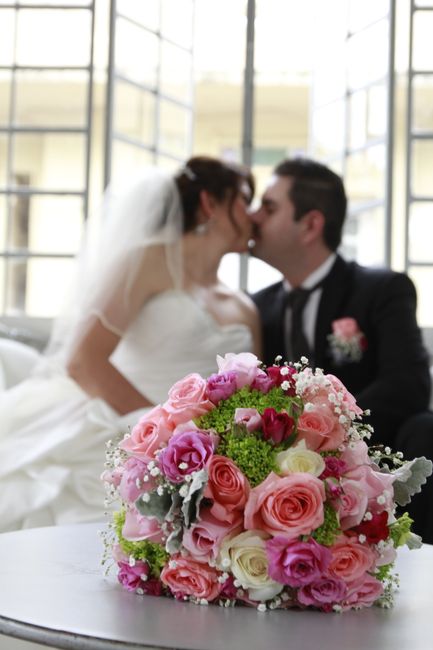
Bouquets and wedding flowers for Broadwalk Centre weddings
Posted on 23/10/2026
Planning a wedding around the Broadwalk Centre can be exciting, but flowers are one of those details that suddenly become very real, very fast. Which bouquet suits the dress? How do you keep buttonholes neat through the day? What works in a shopping-centre setting where timing, access, and practical delivery matter? This guide to Bouquets and wedding flowers for Broadwalk Centre weddings walks you through the choices, the planning, and the small decisions that make the whole thing feel calm instead of chaotic.
Whether you are comparing bridal bouquets, bridesmaid flowers, ceremony pieces, or table arrangements, the aim is simple: help you choose flowers that look beautiful, travel well, and actually work on the day. No fluff. Just solid, useful advice you can act on.
Why Bouquets and wedding flowers for Broadwalk Centre weddings Matters
Flowers do more than decorate a wedding. They set the tone, carry the colour story, and tie together the dress, the venue, and the photographs. That matters even more when your wedding is connected to the Broadwalk Centre, where you may have a mix of indoor spaces, nearby transport, practical delivery windows, and guests arriving at different times. In that kind of setting, flowers need to be elegant and dependable.
A bridal bouquet is usually the first floral piece people notice. It appears in almost every photo, it is carried during the most visible parts of the day, and it has to sit comfortably in your hands for hours. Bridesmaid bouquets, buttonholes, corsages, table flowers, and centrepieces all play supporting roles, but they need to work together rather than compete for attention. Truth be told, that is where many wedding flower plans go a bit wobbly. The flowers look lovely on a mood board, yet do not quite make sense on the day itself.
For Broadwalk Centre weddings, practicality often matters just as much as style. There may be limited setup time, the weather may be unpredictable, and movement in and out of the venue can be fairly brisk. So the right flowers should feel polished without being precious. They should arrive in good condition, hold up through the ceremony, and still look fresh by the time the evening photos are taken.
That is why choosing wedding flowers is not just a decorative decision. It is part aesthetic, part logistics, part emotional anchor. You want flowers that feel like your wedding, not just flowers that look nice in theory.
How Bouquets and wedding flowers for Broadwalk Centre weddings Works
The process usually starts with the bridal bouquet, then builds outward. A good florist will use that bouquet as the design reference for the rest of the flowers, making sure the bridesmaid bouquets, buttonholes, corsages, and table pieces all feel connected. In other words, the bouquet sets the language, and everything else follows the same sentence. Nice and tidy.
Most wedding flower plans move through a few practical stages:
- Style choice - you decide whether you want classic roses, soft romantic pastels, a modern white palette, bold mixed colours, or something seasonal and textural.
- Flower selection - your florist suggests blooms that suit the season, your colour palette, and the look of your dress or venue.
- Arrangement planning - bouquet shape, stem length, ribbon finish, and supporting flowers are chosen so everything feels balanced.
- Timing and delivery - the flowers are prepared close to the wedding date so they arrive fresh and ready.
- On-the-day coordination - bouquets, buttonholes, and arrangements are delivered or collected according to the schedule you have agreed.
At a Broadwalk Centre wedding, timing can be especially important. If the ceremony is later in the day, the florist may advise flowers that hold structure well in warm rooms or under bright lighting. If the event involves a short turnaround between ceremony and reception, the design needs to stay neat with minimal fuss. It sounds obvious, but a lot of wedding stress comes from one overlooked detail: flowers that were chosen for the look, not for the actual event rhythm.
If you are browsing options, useful starting points can include wedding flowers in Edgware and specialist wedding collections such as the weddings collection. For bouquets specifically, pieces like I Cherish You bridal bouquet and The Perfect Match bridal bouquet can help you picture how a finished design might feel.
Key Benefits and Practical Advantages
The right wedding flowers do more than "look pretty", although yes, they absolutely should do that. They also reduce stress, improve consistency, and make the day feel more finished. A carefully chosen bouquet can make a simple dress feel intentional. A good set of bridesmaid bouquets can pull the whole bridal party together. And neat buttonholes? They make the photos look sharper than people expect.
Here are the main advantages of planning your bouquets and wedding flowers thoughtfully:
- Visual cohesion - all floral elements echo the same palette and style.
- Better photos - flowers frame faces, soften formal outfits, and add depth to group shots.
- Less last-minute panic - when the bouquet is planned properly, there is less to worry about on the morning.
- Practical durability - suitable flowers travel well and stay presentable through the day.
- Clearer budgeting - once you know your priorities, you can spend where it matters most.
- More personal meaning - flower choice can reflect family traditions, favourite colours, or seasonal memories.
For many couples, the biggest advantage is simply confidence. You do not need to wonder whether the bouquet will clash with the dress or whether the buttonholes will feel out of place. You know the plan, and that steadies everything else. A small thing, maybe. But small things count on wedding mornings.
It can also help to choose flowers from broader categories first. For example, white and ivory palettes are often chosen for classic styling, while mixed colour designs work well if the wedding is more relaxed or celebratory. If you are exploring options, the white flowers range, mixed colours range, and luxury flowers selection are useful reference points for thinking through style and budget.
Who This Is For and When It Makes Sense
This kind of floral planning is for anyone arranging a wedding near the Broadwalk Centre who wants the flowers to feel polished without becoming complicated. That includes couples planning a simple civil ceremony, larger weddings with a full bridal party, and guests or family members helping with the floral side of things. If you are the one quietly carrying the entire list in your head, you are very much the target audience here.
It makes sense particularly when:
- the wedding needs flowers delivered on a fixed schedule;
- you want a bouquet that suits indoor photography and close-up moments;
- you need matching pieces for bridesmaids, groomsmen, or family members;
- the venue layout requires compact, easy-to-manage arrangements;
- you want something seasonal but not overly risky in terms of availability;
- you need a florist who can balance beauty with reliability.
In practice, couples often come to wedding flowers at different stages. Some have already chosen the dress and colour scheme. Others are still deciding whether they want roses, lilies, orchids, lisianthus, or something softer and more meadow-like. Either way is fine. A good starting point is usually to decide the feel first: formal, romantic, modern, vintage, lush, simple, or seasonal.
And if you are planning with family input, there is usually one person who says, "just make it white and elegant," while someone else wants "something a bit more joyful." Fair enough. Flowers are often where everyone suddenly discovers they have opinions.
Step-by-Step Guidance
Here is a straightforward way to plan bouquets and wedding flowers for a Broadwalk Centre wedding without getting overwhelmed.
1. Start with the bouquet
The bridal bouquet is the anchor. Look at dress shape, neckline, height, and the kind of photos you want. A cascading bouquet gives drama, while a round hand-tied bouquet feels classic and easy to carry. If the outfit is detailed, a simpler bouquet may be better. If the dress is minimal, the bouquet can be more expressive.
2. Choose a style language
Think in terms of style, not just flower names. For example, soft whites and creams create a timeless feel. Pinks and blush tones feel romantic and flattering. Mixed seasonal flowers give energy and texture. A few strong choices are often better than too many competing ideas.
3. Match supporting flowers to the bouquet
Bridesmaid bouquets should complement rather than clone the bridal bouquet. Buttonholes need to be smaller and sturdier. Table arrangements can echo the palette without copying it exactly. The goal is consistency, not repetition. Nobody wants every table to look like a slightly shrunken version of the bouquet.
4. Think about venue logistics
Ask how flowers will be delivered, where they can be stored, and who receives them. In a venue or retail-centre setting, this can matter more than people expect. A bouquet left too long in heat, bright light, or a busy back room may lose its freshness before the day even gets going. Not ideal.
5. Confirm timings and quantities early
Wedding flowers are one of those things that feel flexible until they really are not. Make sure the florist knows exact numbers: how many bouquets, how many buttonholes, how many corsages, how many table arrangements, and whether you need extras for the cake table, registry table, or gift area.
6. Review the finished plan with the florist
Before the wedding, go back over the order in plain English. What exactly is included? Which flowers are the priority? Is there a backup option if a bloom is unavailable? That last question matters more than people realise, and a good florist will not mind it at all.
For bridal and attendant pieces, useful product pages include I Cherish You bridesmaid bouquet, wedding buttonholes, and wedding table arrangements. If you want a fuller package, browse the I Cherish You wedding collection or the White Wonders wedding collection.
Expert Tips for Better Results
After enough wedding flower planning, a few things become obvious. The strongest arrangements are usually the ones that look effortless because the details were handled early. A few practical tips can make a real difference.
- Prioritise the bouquet first. If budget is tight, protect the bouquet and reduce complexity elsewhere.
- Use flowers that hold shape well. Roses, lisianthus, orchids, carnations, and alstroemeria are often useful because they behave well in mixed arrangements.
- Keep the palette controlled. Three core colours are usually enough.
- Ask about flower care on the day. A little water, a cool resting spot, and careful handling go a long way.
- Choose ribbon and finishing details wisely. Ribbon colour can subtly change the whole feel of a bouquet.
- Plan for the photographs. Some bouquets look lovely in person but too busy in close-up. Others are the reverse. Worth checking.
A small but useful tip: if you want your flowers to feel elegant in daylight and still look balanced under indoor lighting, avoid overly tiny blooms as the only feature. Add a few stronger structural flowers so the arrangement does not disappear in photos. That sounds fussy, I know, but it makes sense once you see it.
If you are not fully sure which style fits, start with a florist-choice option and then refine it. Pages such as florist choice and florist choice 300 can be helpful if you want something professionally designed without micromanaging every stem. Sometimes that is the smartest route, honestly.
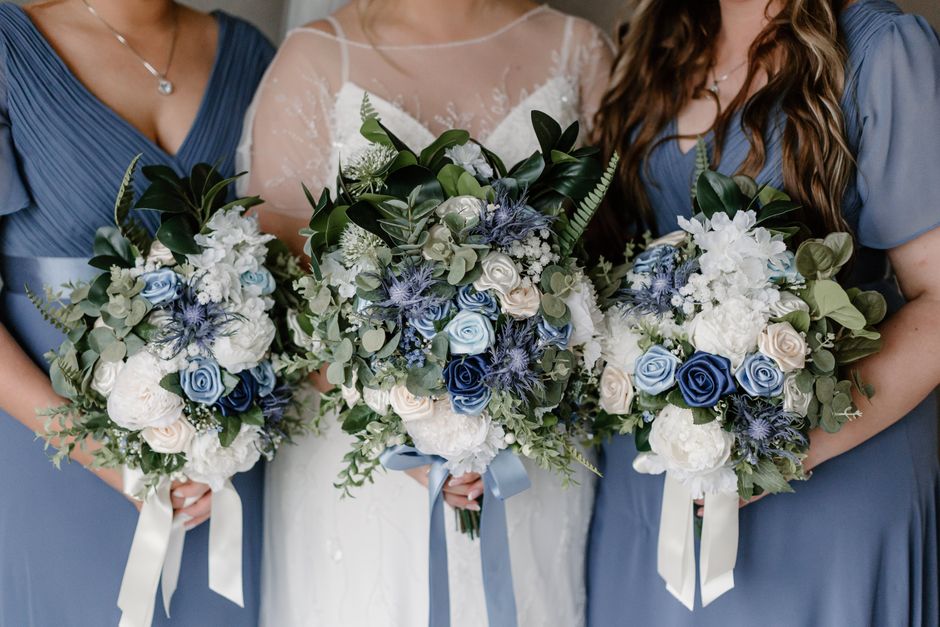
Common Mistakes to Avoid
Most flower problems are preventable. They usually come from rushing, overcomplicating, or assuming that everything will magically fit together at the end. It rarely does.
- Leaving the bouquet decision too late - the bouquet affects everything else, so do not treat it as an afterthought.
- Choosing too many focal flowers - if every bloom is shouting, nothing feels intentional.
- Ignoring venue conditions - heat, storage, timing, and transport all matter.
- Forgetting buttonholes and corsages - these small pieces are easy to overlook until the last minute.
- Overloading the bridal party with identical flowers - variation usually looks more natural.
- Not confirming delivery details - a lovely bouquet is no use if it arrives at the wrong time.
One of the more common mistakes is trying to make wedding flowers do too much. A bouquet that is meant to be elegant, modern, seasonal, and dramatic all at once can end up a bit muddled. Better to choose one main feeling and let the details support it. Simple is not boring. Simple often ages better in photos, too.
If you need a local florist arrangement for the wider wedding order, you may also find the main florist service in Edgware useful for coordinating the pieces together.
Tools, Resources and Recommendations
You do not need specialist software to plan wedding flowers, but a few simple tools make the process easier and far less memory-based. Let's face it, trying to remember six flower names and two delivery times from a phone note at 11 p.m. is not a robust system.
- Colour palette notes - keep three or four reference colours so your choices stay consistent.
- Dress and fabric photos - bouquet shape often looks different against satin, lace, tulle, or crepe.
- Venue access notes - write down where flowers can be delivered, stored, and handed over.
- Guest list for buttonholes and corsages - a simple checklist avoids omissions.
- Seasonal flexibility - be open to alternatives if a particular bloom is not practical for the date.
- Florist collections - browsing collections helps you compare design styles quickly.
Useful product and category pages for inspiration include White Wonders bridal bouquet, Pure Romance bridal bouquet, White Wonders bridesmaid bouquet, and white rose groom buttonhole. For broader planning and aftercare, the flower care guidance and delivery information are worth a look.
It also helps to keep an eye on sustainability and care standards if that matters to you. Some couples prefer seasonal flowers, reduced waste, or reusable arrangements. If so, the site's sustainability information can support those decisions in a practical way.
Law, Compliance, Standards, or Best Practice
Wedding flowers are not heavily regulated in the way some other services are, but there are still a few best-practice points worth keeping in mind. First, be clear on consumer terms: what is included, how substitutions are handled, what happens if delivery is delayed, and how refunds or returns are managed where applicable. Clear communication reduces friction for everyone.
Second, if flowers are being delivered to a venue, reception space, or shopping-centre location, the florist should follow sensible access and handover procedures. That means respecting site rules, delivery windows, and any specific instructions from the venue. No drama, just good coordination.
Third, good floristry practice usually includes sensible care standards: using fresh stock, handling stems carefully, and storing arrangements properly before delivery. If flowers contain water sources or delicate wiring, they should be assembled securely so they travel safely. That is particularly important for bouquets, buttonholes, and table arrangements that need to remain tidy throughout the event.
Finally, if your wedding involves accessibility needs or mixed-age guests, practical design matters. Bouquets should not be too heavy for the person carrying them. Buttonholes should be secure but not awkward. Centrepieces should not block conversation across the table. These are simple considerations, but they matter in the real world more than they do on a mood board.
For policies, service details, and trust signals, it can be useful to review pages such as terms and conditions, returns and refund, guarantees, and about us.
Options, Methods, or Comparison Table
There is no single "best" wedding flower style. The right choice depends on your venue, outfit, season, and budget. Here is a straightforward comparison to help you weigh the options.
| Option | Best for | Strengths | Things to watch |
|---|---|---|---|
| Classic rose bouquet | Traditional or elegant weddings | Timeless, romantic, easy to match with other pieces | Can feel formal if not balanced with softer elements |
| Mixed seasonal bouquet | Relaxed or colourful weddings | Fresh, natural, often more personal | Needs careful colour control so it does not become busy |
| White and ivory palette | Minimal, classic, modern weddings | Clean, refined, works with most dresses | Can look flat if texture is ignored |
| Orchid-led design | Modern, luxurious styling | Distinctive, sculptural, polished | Needs careful handling and a good finishing structure |
| Soft pink romantic bouquet | Blush, vintage, or feminine looks | Warm, flattering, gentle in photographs | Can become overly sweet if every element is pastel |
If you are still deciding, it can help to compare a few collection styles side by side. For example, True Happiness bridal bouquet, The Sound of Love bridal bouquet, and Everlasting Love bridal bouquet each suggest a slightly different mood, which makes the decision a bit easier.
Case Study or Real-World Example
Here is a realistic planning scenario. A couple is getting married near the Broadwalk Centre and wants a calm, polished look with a soft romantic feel. They want the bouquet to be memorable, but not so large that it dominates the dress. The bridal party is small, the ceremony is simple, and the reception setup needs to happen quickly afterwards.
Instead of choosing a complicated mix of everything, they settle on one clear direction: a white-and-blush palette with roses, lisianthus, and a little orchid detail for texture. The bridal bouquet becomes the centrepiece. Bridesmaid bouquets are kept slightly lighter and smaller. Buttonholes are restrained and neat. Table arrangements echo the same colours but use a lower, conversation-friendly shape.
What made the difference? Not a giant budget. Not dozens of different flowers. Just a clear visual plan, careful timing, and a florist who understood that the flowers had to travel well and look good from morning to evening. By late afternoon, the bouquet still looked composed, and the table flowers did exactly what they were meant to do: support the day without getting in the way.
That kind of result is usually what people want, even if they do not always say it out loud. Beautiful, yes. But also calm. Reliable. Easy.
For this sort of approach, packages like The One wedding collection, Today Tomorrow Forever wedding collection, and Royal Essence wedding collection can be good starting points when you want a complete feel rather than a one-off bouquet only.
Practical Checklist
Use this checklist when finalising bouquets and wedding flowers for Broadwalk Centre weddings.
- Choose the bridal bouquet style first.
- Confirm the wedding date and delivery timing.
- List every bouquet, buttonhole, corsage, and table piece needed.
- Decide on the main colour palette.
- Check how flowers will be stored on arrival.
- Confirm any venue access or delivery instructions.
- Ask about substitutes for seasonal flowers.
- Review ribbon, finishing, and bouquet size.
- Make sure the flowers suit photographs and indoor lighting.
- Confirm payment, order details, and any final adjustments in writing.
Expert summary: If you keep the bouquet, the timing, and the venue logistics in sync, the rest of the floral plan becomes much easier. That is really the heart of it. A wedding flower plan should feel like support, not another event-management problem.
Get a free quote today and see how much you can save.
Conclusion
Bouquets and wedding flowers for Broadwalk Centre weddings work best when beauty and practicality are treated as equal partners. The bouquet should look lovely, of course. But it should also suit the dress, the setting, the timing, and the flow of the day. Once you make those pieces fit together, everything feels smoother.
The most successful wedding flowers are rarely the most complicated. They are the ones that fit the couple, the venue, and the moment. A well-chosen bouquet can steady the morning. A tidy set of bridesmaid flowers can make photos feel cohesive. A thoughtful table arrangement can quietly lift the whole room. Small things. Big effect.
If you are at the point of narrowing down styles, start with the bouquet, then build outward. Keep the palette clear, the logistics simple, and the flowers meaningful. That is usually enough to get something genuinely beautiful, and honestly, that is a very good place to be.
On a busy wedding day, the right flowers have a way of making everything feel a little more composed, a little more joyful, and just right.
Frequently Asked Questions
What flowers are best for a wedding bouquet at Broadwalk Centre?
The best flowers are the ones that suit your style, season, and logistics. Roses, orchids, lisianthus, lilies, alstroemeria, and carnations are all common choices because they photograph well and usually hold up nicely through the day.
How far in advance should I order wedding flowers?
It is sensible to start planning early, especially if you want specific flowers or a custom design. The final order is usually confirmed closer to the date so the florist can work with fresh stock and accurate timings.
Can I have matching bridal and bridesmaid bouquets?
Yes, and that is very common. The key is to make the bridesmaid bouquets slightly smaller or simpler so the bridal bouquet still stands out. Matching does not have to mean identical.
What should be included in a wedding flower order?
A typical order may include the bridal bouquet, bridesmaid bouquets, buttonholes, corsages, table arrangements, and sometimes extra pieces for the ceremony or reception. The exact list depends on your day and guest count.
How do I choose flowers that suit my dress?
Look at the dress shape, fabric, and detail level. A detailed dress often works best with a simpler bouquet, while a minimal dress can carry a bolder design. The aim is balance, not competition.
Are white flowers a safe choice for weddings?
White flowers are a classic option because they suit many dress styles and venue looks. They are a safe choice, but not a boring one if you add texture, shape, and a bit of contrast.
Do wedding flowers need special care on the day?
Yes. Keep them cool, handle them carefully, and make sure they are delivered at the right time. Bouquets should not sit in heat or direct sun for too long, and buttonholes should be kept neat until worn.
What if my preferred flowers are out of season?
A good florist will suggest alternatives that keep the same look and feel. Seasonal flexibility is often the smartest way to get a stronger result anyway, because the flowers are usually fresher and more reliable.
Can I use one florist for both wedding flowers and everyday flower orders?
Yes. In fact, using the same florist can make planning easier, because they already understand your preferences and service expectations. That can be useful if you also want gifts or flowers for family before or after the wedding.
How do I keep wedding flowers within budget?
Focus spending on the bouquet and the most visible pieces first. Choose a smaller number of flower types, keep the palette simple, and use supporting flowers wisely. That usually gives the best value without making the design feel stripped back.
Can wedding flowers be delivered directly to the venue?
Often, yes, provided the florist has the correct address, access instructions, and delivery timing. This is especially helpful for Broadwalk Centre weddings where coordination matters and the handover needs to be smooth.
What is the difference between a bouquet and a table arrangement?
A bouquet is handheld and designed for carrying, while a table arrangement is built for display and conversation around a table. They should share the same overall style, but they are made for different jobs.
Should I choose a themed flower collection or a custom design?
If you want something simple and coordinated, a flower collection can be a great choice. If you have a very specific vision, a custom design may suit you better. Either can work well; it depends on how hands-on you want to be.